Choosing the Right Tankless Water Heater for Fairfield County Homes
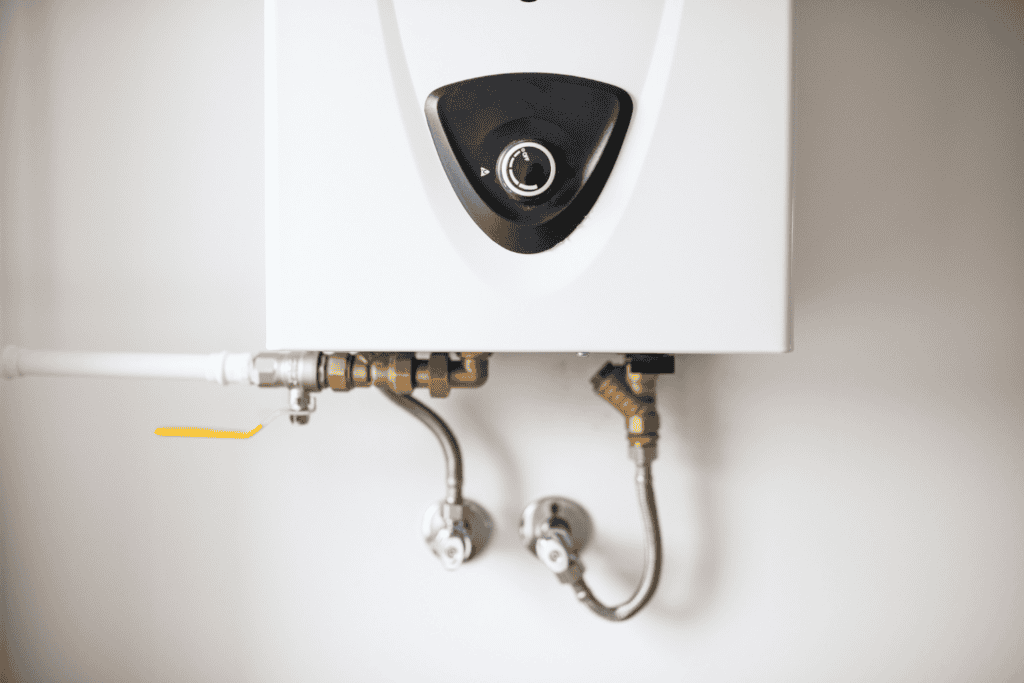
Choosing between a tankless unit and a storage tank water heater depends on daily hot water usage. Traditional storage tanks heat water constantly so it stays hot in the tank. On-demand tankless systems heat water only when you turn on a faucet, which eliminates standby heat loss.
According to the U.S. Department of Energy, on-demand water heaters are 24% to 34% more energy-efficient than storage tanks for homes using 41 gallons or less of hot water daily. Selecting the right tankless water heater for Fairfield County families requires evaluating household size, energy consumption, and equipment demands across Lower Fairfield County and Westchester County.
Tankless Water Heater Options for Fairfield County Homes: On-Demand vs. Storage Tanks
Understanding how each system operates shows where energy savings originate. Storage tank systems hold 30 to 80 gallons of water and keep it hot around the clock. This setup uses fuel or electricity constantly, even when no one is home.
Tank Systems Maintain Constant Heat
Standard storage tanks run periodically during the day and night. Heat escapes through the tank walls over time. This process creates standby energy loss. If several people take back-to-back showers, the tank runs out of hot water. The system then needs 30 to 60 minutes to heat a new supply of water.
Tankless Systems Heat Water as It Flows
Tankless water heaters stay off until you open a hot water tap. Cold water travels through a compact heat exchanger. High-powered burners or electrical elements heat the water instantly. Because the system stores no standing water, standby energy loss is eliminated. Homeowners enjoy a continuous flow of hot water for daily needs as long as the system fits the total demand.
Key Factors Affecting Household Savings and Performance
Evaluating overall savings requires looking at energy use, system lifespan, and daily household habits. ENERGY STAR-certified tankless models are built to squeeze out additional efficiency gains beyond a standard tankless unit, which can meaningfully lower annual water heating costs depending on household size, fuel type, and usage.
Energy Efficiency and Standby Loss
Eliminating standby heat loss is the primary way on-demand heating lowers utility bills. Standard tanks burn gas or draw electricity all night to maintain water temperature. Tankless models consume energy only while hot water runs through the unit. Over a full year, this on-demand process significantly reduces total fuel consumption.
Household Demand and Flow Rates
Homes with large families require proper system sizing. Tankless units supply continuous hot water, but flow rates are measured in gallons per minute (GPM). If a household runs the dishwasher, a washing machine, and two showers at once, peak demand might exceed 6 to 8 GPM. Installing a larger unit or multiple units prevents flow restrictions and temperature drops.
Installation and Long-Term Maintenance Requirements
Upgrading from a storage tank to an on-demand unit requires reviewing existing utility connections. Proper retrofitting ensures safe operation and maximum equipment efficiency.
Infrastructure Upgrades for Retrofits
Gas-fired tankless units require higher peak fuel input than standard tank heaters. Retrofits often require installing larger gas lines and specialized stainless steel or PVC venting. Electric models require sufficient power capacity from the home electrical panel. Technicians evaluate these connections during an initial walkthrough to outline all installation requirements.
Service Life and Routine Maintenance
According to the U.S. Department of Energy, tankless water heaters last 20 years or more with regular care. Standard storage tank heaters generally last 10 to 15 years. Hard water minerals cause scale buildup on heat exchangers and inside tanks over time. Tankless units require annual flushing to clear scale deposits. Storage tanks need periodic maintenance to remove sediment from the bottom of the tank. Working with local plumbing professionals helps preserve efficiency and extend equipment lifespan.
Selecting the Best Water Heater for Your Home
Choosing the right water heater involves balancing upfront installation costs with long-term energy savings. Storage tank water heaters offer a direct, lower-cost replacement for existing tank setups. Tankless water heaters eliminate standby loss, cut annual energy bills, and deliver continuous hot water. Homeowners across Lower Fairfield County and Westchester County can choose the best system by reviewing household hot water needs with experienced plumbers.
Contact Astacio Heating, Cooling & Electrical
If you are evaluating water heater options, our licensed team is ready to help. Astacio Heating, Cooling & Electrical offers professional water heater inspections, maintenance, and installations across Lower Fairfield County and Westchester County. Schedule a walkthrough with our technicians today to select the ideal heating system for your home.